WHY
The Highest Leopard Density on Earth
Yala National Park is the single best place in the world to see wild leopards in their natural habitat. Block 1 in particular holds the highest concentration of leopards of any national park on the planet, making a leopard sighting not just possible but highly likely on any given morning safari. No other destination in Asia offers this level of leopard encounter probability.
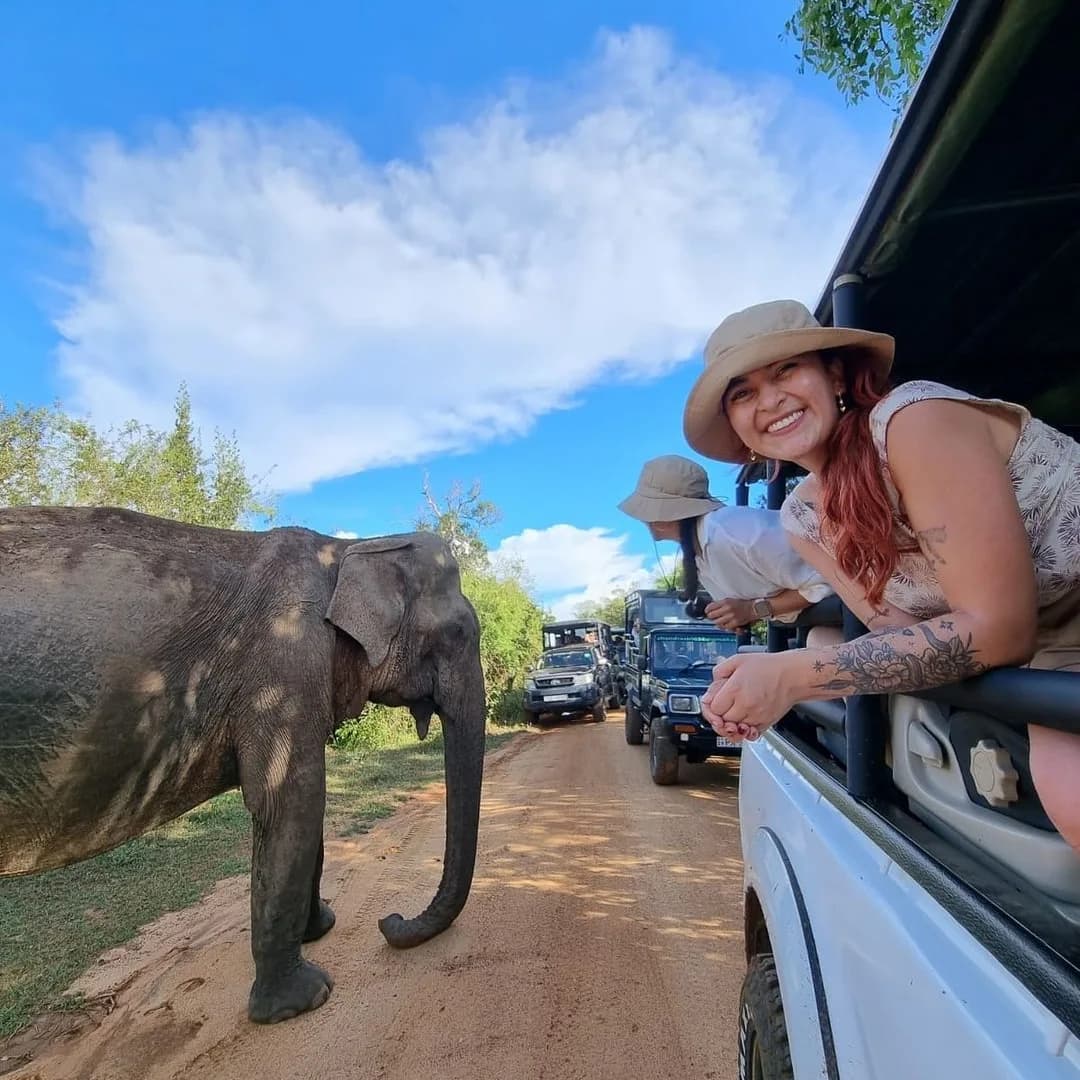
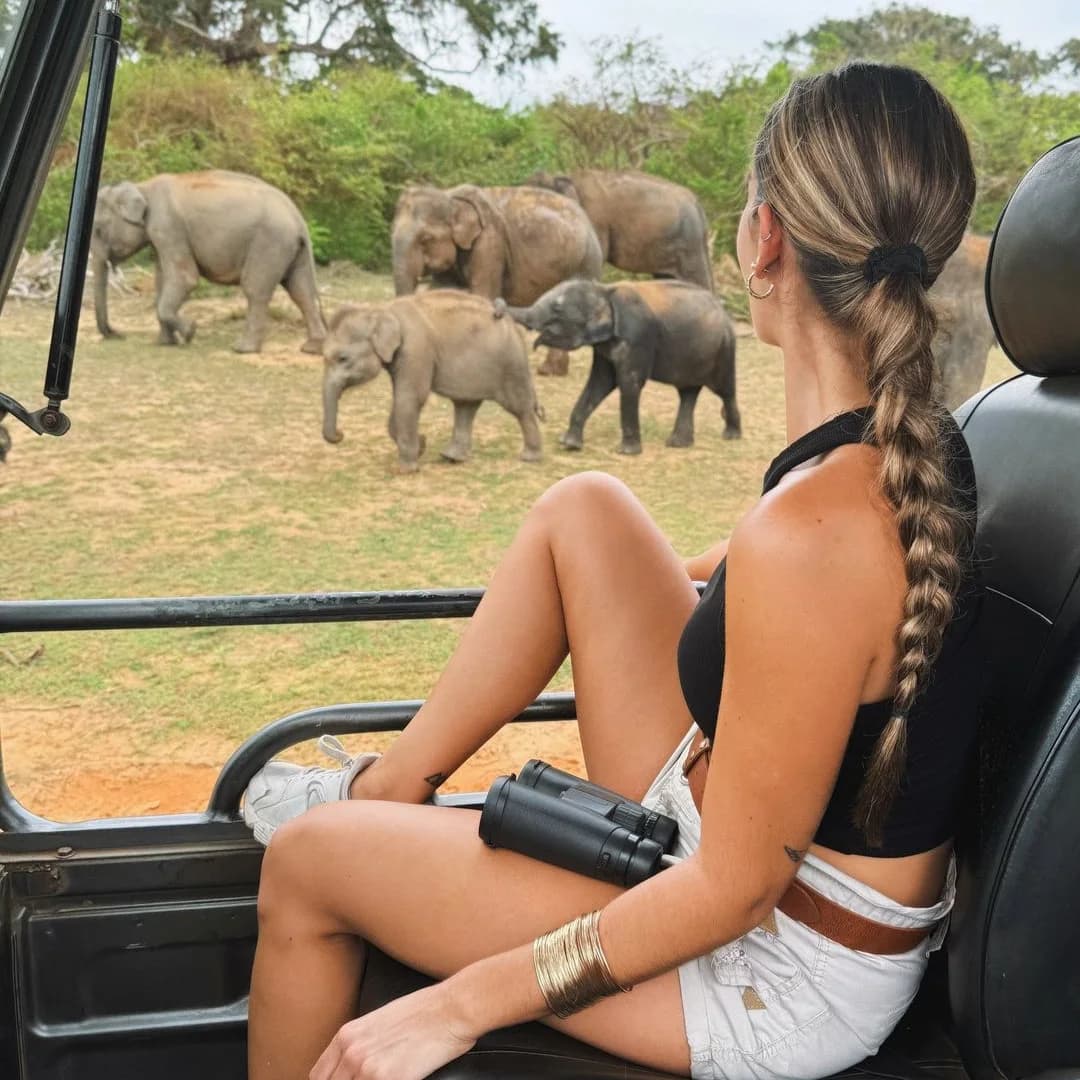
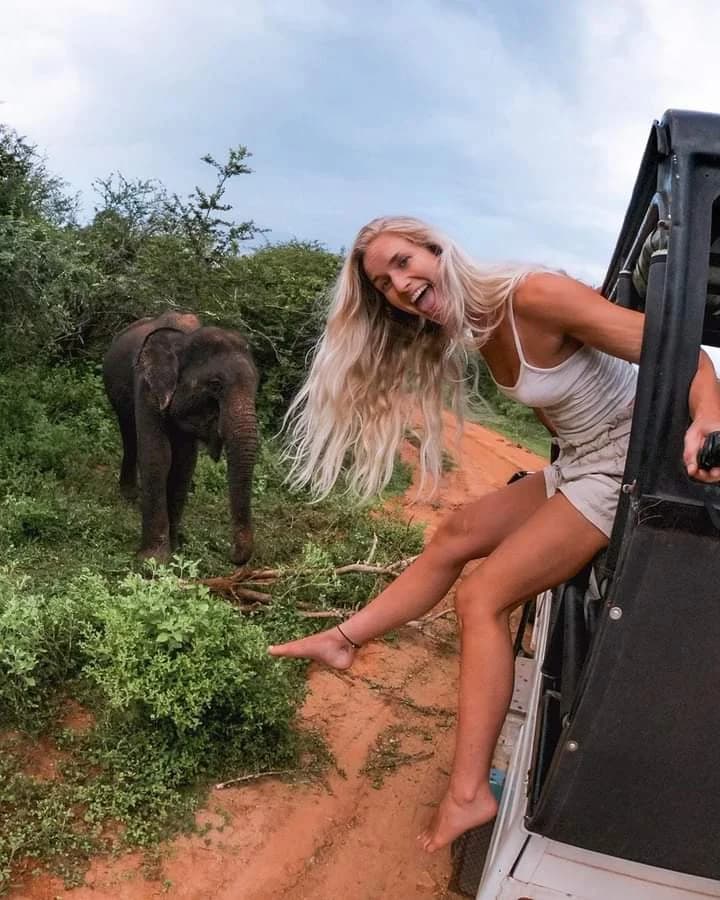
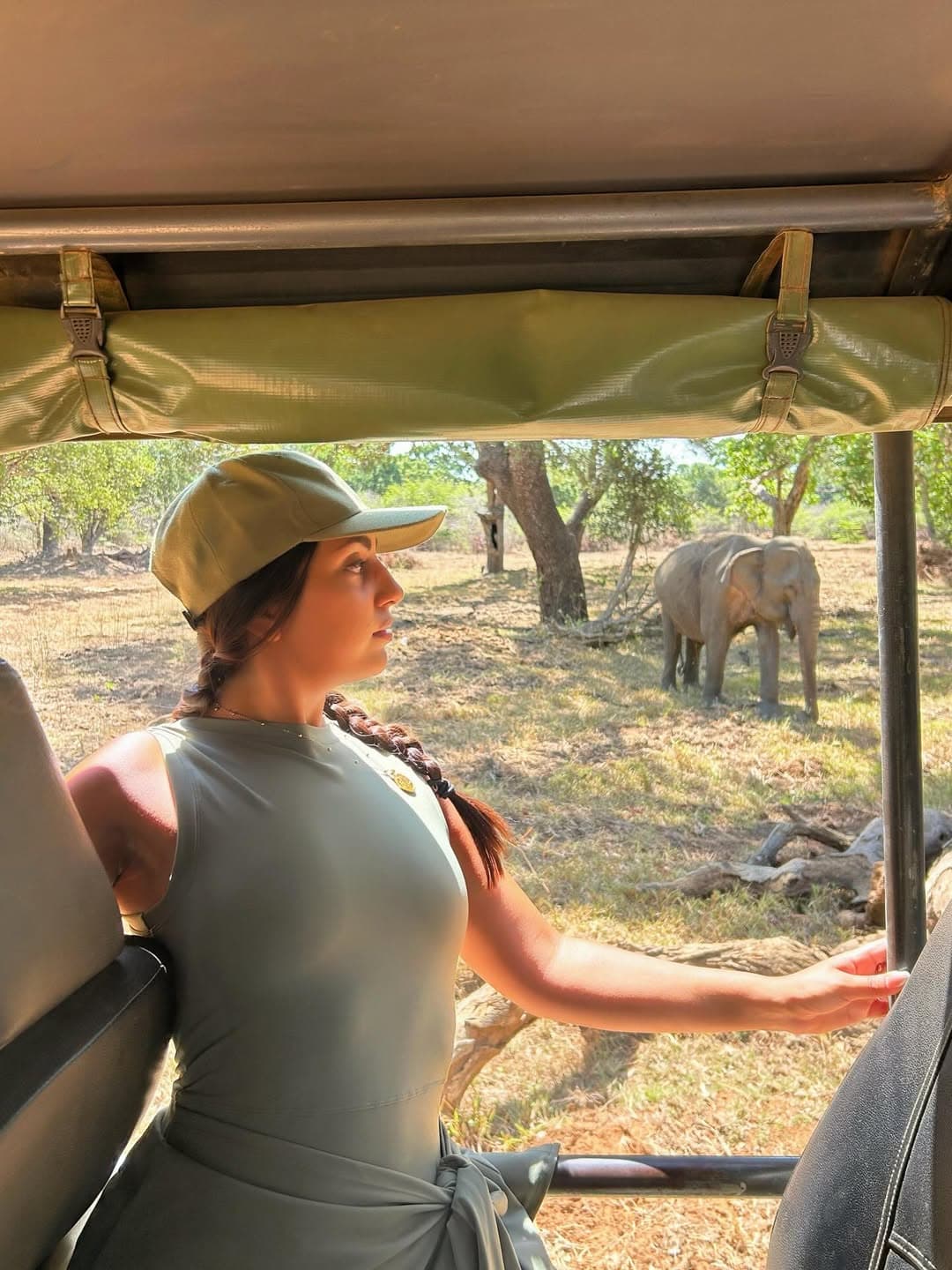
Beyond leopards, Yala is home to over 200 bird species and 44 mammal species including elephants, sloth bears, mugger crocodiles, sambar deer, and water buffalo. The park's extraordinary biodiversity across scrub jungle, rocky outcrops, coastal lagoons, and open plains makes it a paradise for wildlife enthusiasts, birders, and photographers alike.
Two Distinct Safari Zones: Block 1 and Block 5/6
Yala offers two very different safari experiences in a single park. Block 1 is the most wildlife-rich zone, famed for frequent leopard sightings, elephant herds, and the spectacular Palatupana Lagoon. Block 5/6 is a quieter, less-visited wilderness that offers a more exclusive and crowd-free encounter with Yala's remarkable wildlife. Travelers can choose one block or cover both on a full day expedition.
Extraordinary Photography Opportunities
Yala National Park is a wildlife photographer's dream. The varied terrain of Block 1 — from open scrub plains and rocky outcrops to coastal lagoons and dense jungle — provides stunning and diverse backdrops for wildlife photography. Leopards resting on rocks at golden hour, elephants at the Menik River, and flamingos at Palatupana Lagoon are among the most sought-after shots in all of Asian wildlife photography.
Ideally Located in Sri Lanka's South
Yala National Park is perfectly positioned near Sri Lanka's southern coast, making it an ideal inclusion for travelers exploring Galle, Mirissa, Tangalle, or the hill country. The park's Palatupana entrance is easily accessible from Tissamaharama, and many travelers combine a Yala safari with the southern beaches or a circuit through Ella and the highlands for a complete Sri Lankan wildlife adventure.
WHEN
Peak Season: February to July
The dry months from February to July are the best time to visit Yala National Park. Vegetation is sparse, making leopards and other wildlife significantly easier to spot. Water sources contract, drawing animals to predictable locations, and leopard activity inside Block 1 is at its peak as the heat of the day forces movement into the cooler morning hours.
Days are warm and sunny, while early mornings inside Block 1 can be pleasantly cool — ideal conditions for a 6:00 AM jeep safari through Yala's scrub jungle.
May, June, and July are considered prime months for leopard sightings in Block 1, when vegetation is at its lowest and wildlife is most concentrated around the remaining water sources. This is the ultimate period for leopard photographers and serious wildlife enthusiasts.
Wet Season: August to January
The wet season transforms Yala into a lush green landscape with abundant vegetation and flowing rivers. This is the most beautiful time to experience the park's scenery, and Block 5/6 in particular takes on a dramatically different character during the rains.
The wet season is outstanding for birdwatching at Palatupana Lagoon, where migratory birds from northern regions arrive in large numbers. Over 200 bird species including lesser flamingos, painted storks, and crested serpent eagles can be spotted during this period.
Yala is considerably less crowded during the wet season, offering a more peaceful and intimate safari experience inside both blocks. Afternoon showers are common but usually brief, and the rain freshens Yala's coastal landscape beautifully.
Shoulder Seasons: January and August
These transitional months offer a mix of advantages for Yala visitors, combining reasonable wildlife visibility with fewer crowds than peak season.
In January, the park begins to dry out after the rains and leopard activity in Block 1 starts to increase as vegetation thins and animals become more visible near water sources.
In August, conditions vary but can deliver excellent wildlife viewing opportunities across both Block 1 and Block 5/6 with fewer jeeps on the tracks, allowing for a more relaxed and unhurried safari experience.
WHERE
Yala National Park is located in the Southern Province of Sri Lanka, approximately 300 kilometers from Colombo and easily accessible from Tissamaharama. Covering approximately 97,880 hectares, the park encompasses a remarkable diversity of habitats including scrub jungle, rocky outcrops, coastal lagoons, grasslands, and monsoon forests. The main Palatupana entrance gate serves as the starting point for both Block 1 and Block 5/6 safaris.
Yala National Park is renowned worldwide for its extraordinary leopard population — the highest density of wild leopards on Earth — as well as large elephant herds, sloth bears, mugger crocodiles, and the spectacular birdlife of Palatupana Lagoon. Visitors enjoy exceptional private jeep safaris led by experienced naturalist guides who know every leopard territory and wildlife hotspot across both blocks.
The park offers morning and afternoon game drives in private 4x4 safari jeeps for optimal leopard and wildlife viewing. Yala's proximity to the southern coastal towns of Mirissa, Tangalle, and Galle, as well as the hill country routes through Ella, makes it an essential stop on any southern Sri Lanka itinerary. Many travelers combine a Yala safari with the southern beaches and highland scenery for a complete and unforgettable Sri Lankan experience.