Yala vs Wilpattu National Park: Which Sri Lanka Leopard Safari is Better?
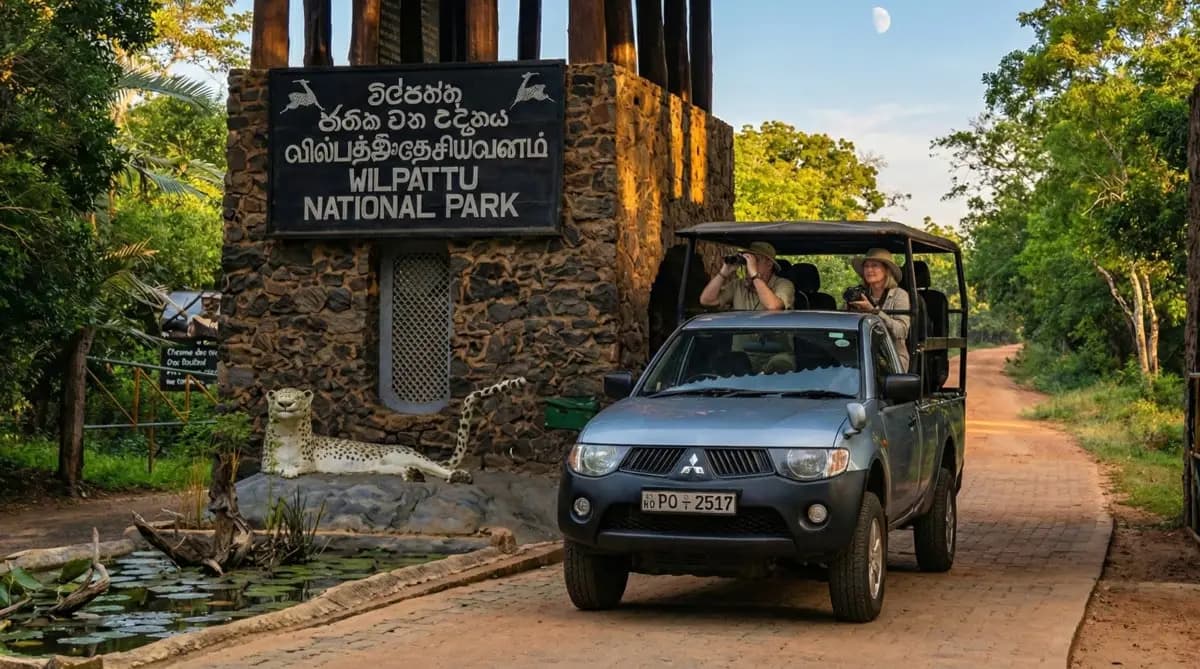
Sri Lanka has two national parks that draw visitors specifically for leopard safaris: Yala in the south and Wilpattu in the northwest. Both are genuine leopard destinations. Both offer authentic Sri Lankan wilderness experiences. And both are frequently compared by travelers trying to decide where to spend their limited safari time on the island. This guide gives you an honest, detailed comparison based on the real differences between these two parks so you can make the right choice for your visit.
The Fundamental Difference Between Yala and Wilpattu
Before diving into specific comparisons, the single most important distinction to understand is this: Yala and Wilpattu are fundamentally different safari experiences, not simply different locations offering the same thing.
Yala's Block 1 is an open, dynamic, high-density wildlife environment where encounters happen frequently, animals are habituated to vehicles, and the pace of a safari drive is active and eventful. Wilpattu is a vast, forested wilderness where the emphasis is on immersion in undisturbed nature, encounters are rarer and require more patience, and the overall atmosphere is slower and more contemplative.
Neither is better in absolute terms. They appeal to different types of travelers with different safari priorities. Understanding which description resonates more with what you are looking for is the most direct way to make your choice.
Leopard Density and Sighting Probability
This is the question most travelers ask first, and the answer is clear: Yala has significantly higher leopard density and significantly higher sighting probability than Wilpattu.
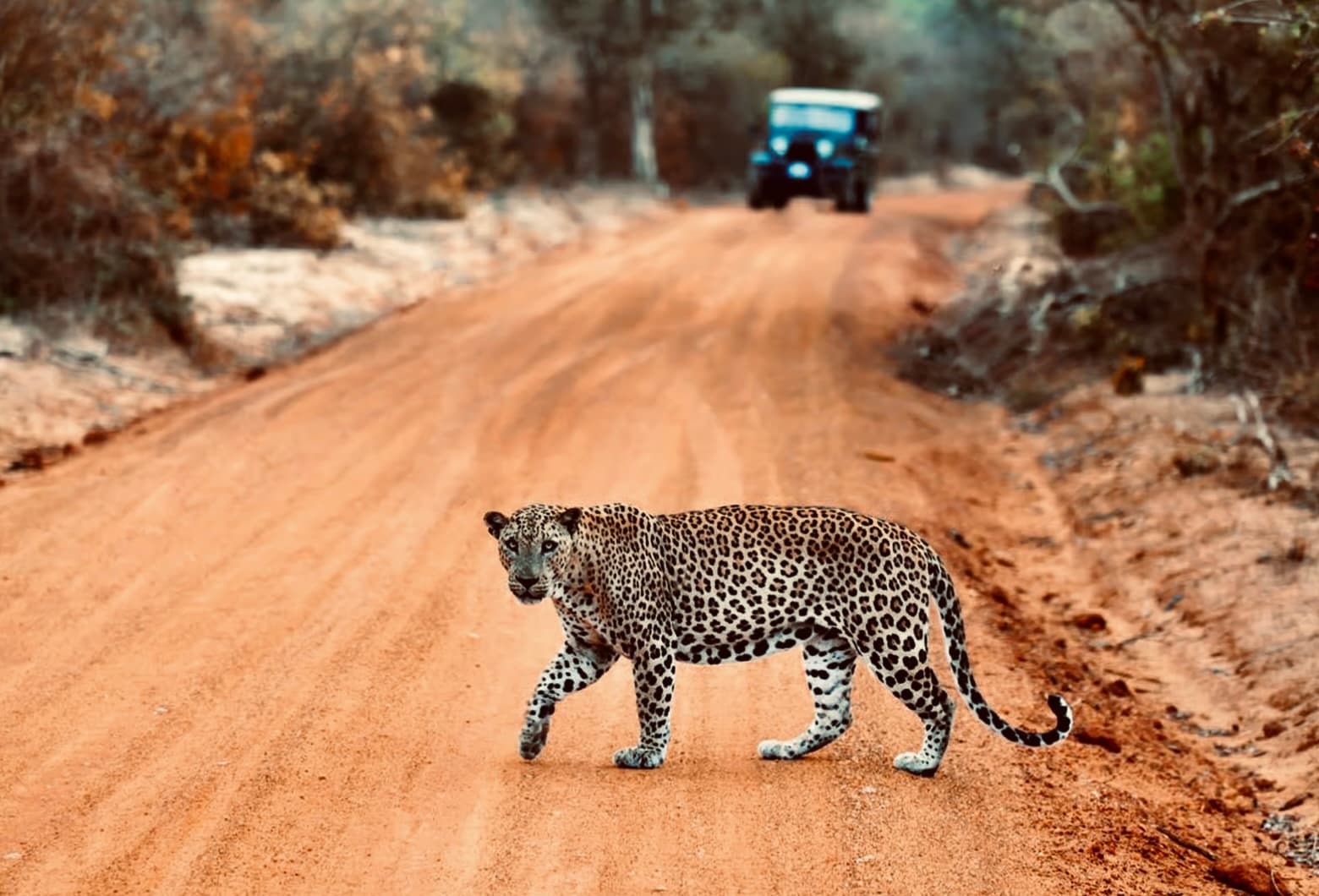
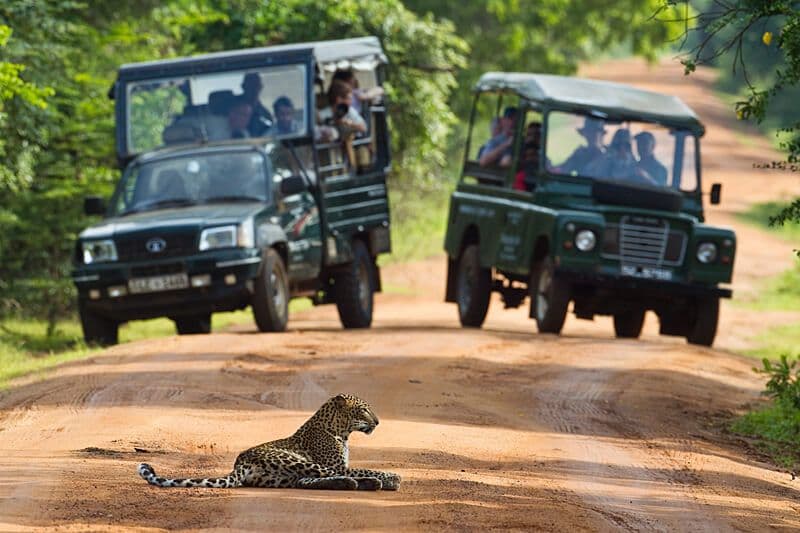
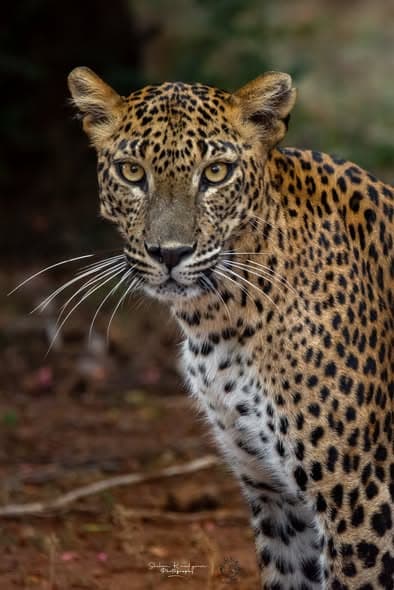
Yala National Park holds the highest density of wild leopards of any protected area on Earth. Block 1's combination of permanent water at the Menik River, abundant prey species, rocky terrain providing territorial and resting sites, and decades of protection has created a leopard population that genuinely defies comparison anywhere in the world. On a well-guided morning safari inside Block 1 during dry season months, leopard encounters are highly likely rather than merely possible.
Wilpattu has a healthy leopard population that is considered large by any standard other than Yala's extraordinary benchmark. However, Wilpattu's much larger total area, denser forest vegetation, and lower habituation of leopards to vehicles means that sightings require more patience, more driving, and more luck than equivalent Yala safaris. Wilpattu guides who know their park thoroughly produce leopard sightings regularly, but the encounter probability per safari is meaningfully lower than Yala Block 1 during comparable conditions.
For travelers whose primary motivation is seeing a wild leopard with a high degree of confidence, Yala is the correct choice.
Terrain and Habitat
The physical environment of these two parks is strikingly different, and this difference shapes everything about the safari experience.
Yala's Terrain
Yala's Block 1 is characterized by open coastal scrub jungle, rocky outcrops, grassland plains, and wetland areas centered on the Menik River and Palatupana Lagoon. The vegetation during the dry season from February through July is sparse, creating open sightlines across considerable distances. Animals feeding or moving through the landscape are visible from far away, allowing guides to spot and approach subjects with deliberate positioning.
This openness is Yala's most important practical advantage for wildlife encounters. A leopard resting on a rock in Block 1 is visible from 200 meters. The same leopard in Wilpattu's forest would be invisible until the vehicle was within meters, and might disappear into dense vegetation before a proper observation was possible.
Wilpattu's Terrain
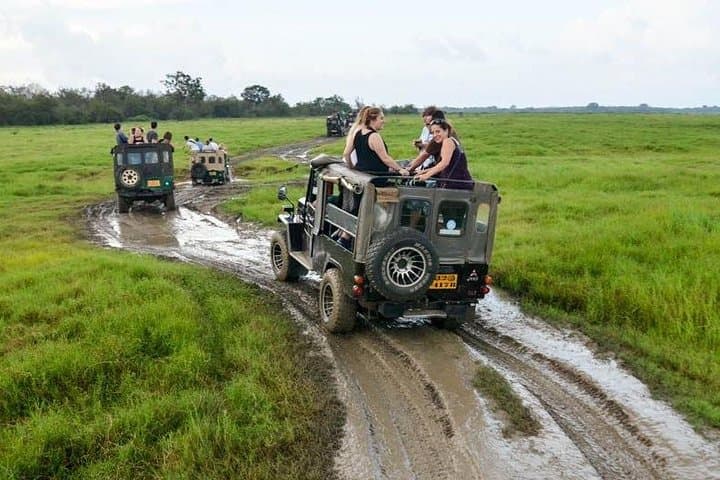
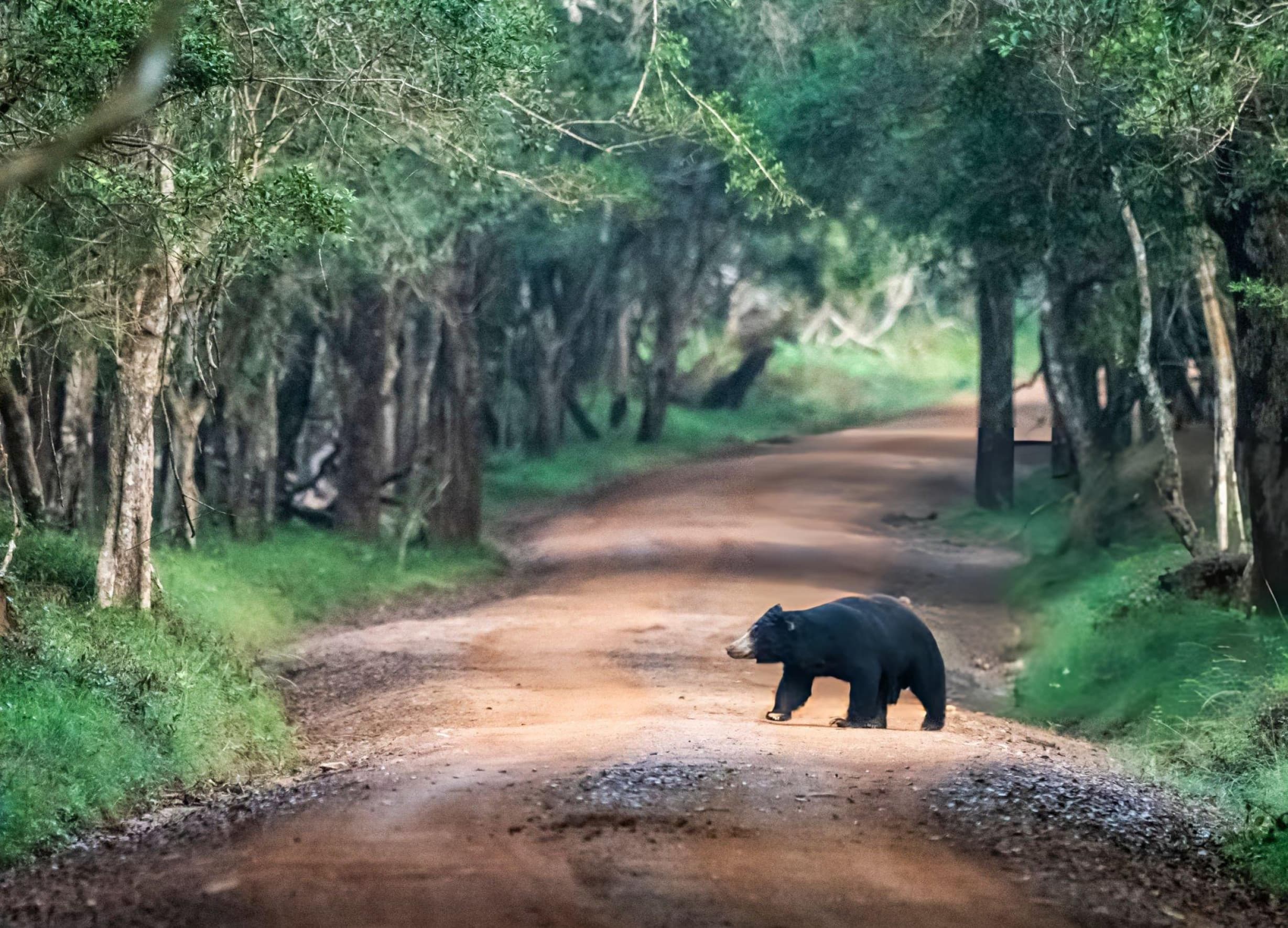
Wilpattu is Sri Lanka's largest national park by area, covering over 130,000 hectares of dense dry zone forest, open grassland patches called villus, and a unique system of natural lakes called willus that are fed by rainwater rather than rivers. The forest dominates, creating a genuinely wild and remote atmosphere that feels dramatically different from Yala's more open landscape.
The villus — open grassy depressions — are Wilpattu's equivalent of Yala's open plains, and these clearings are where most wildlife encounters occur. Elephants graze in villus in the early morning, leopards occasionally cross open villu margins, and bird diversity around the lake edges is high. But the majority of Wilpattu's area is dense forest where visibility is limited to a few meters on either side of the track.
Wildlife Diversity
Both parks share the same core Sri Lankan wildlife species but in different concentrations and with different relative encounter frequencies.
Shared Species
Leopard, Sri Lankan elephant, sloth bear, water buffalo, spotted deer, sambar deer, Indian jackal, water monitor, mugger crocodile, and a rich bird community are present in both parks. The fundamental wildlife palette is the same.
Where Yala Has the Advantage
Leopard encounter frequency is Yala's overwhelming advantage as discussed above. The Palatupana Lagoon bird spectacle — particularly during the migratory season from November through February when lesser flamingos, painted storks, and hundreds of migratory species gather — has no equivalent anywhere in Wilpattu. The crocodile viewing along the Menik River is more accessible and more consistently productive than Wilpattu's equivalent wetland areas.
Where Wilpattu Has the Advantage
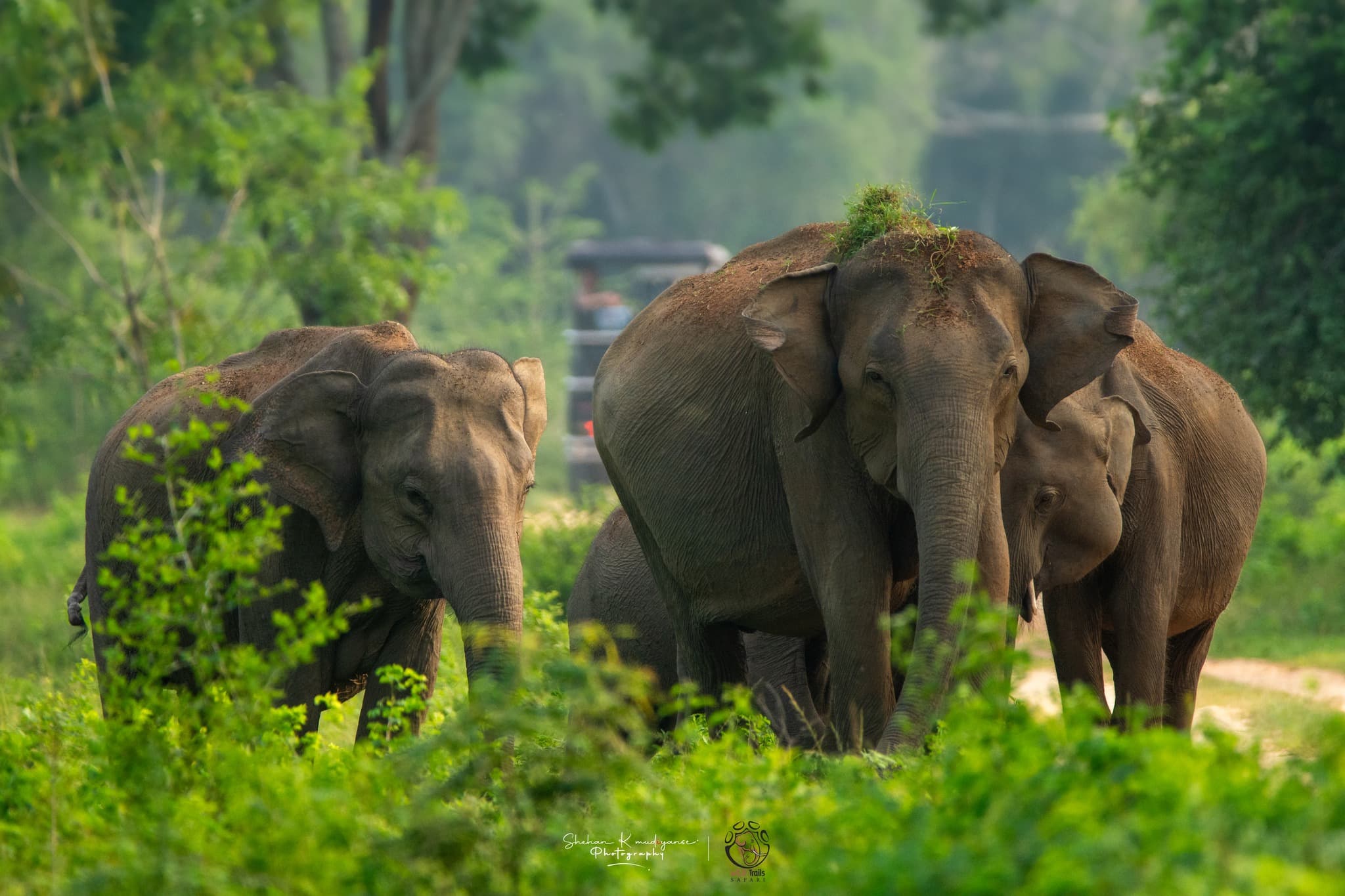
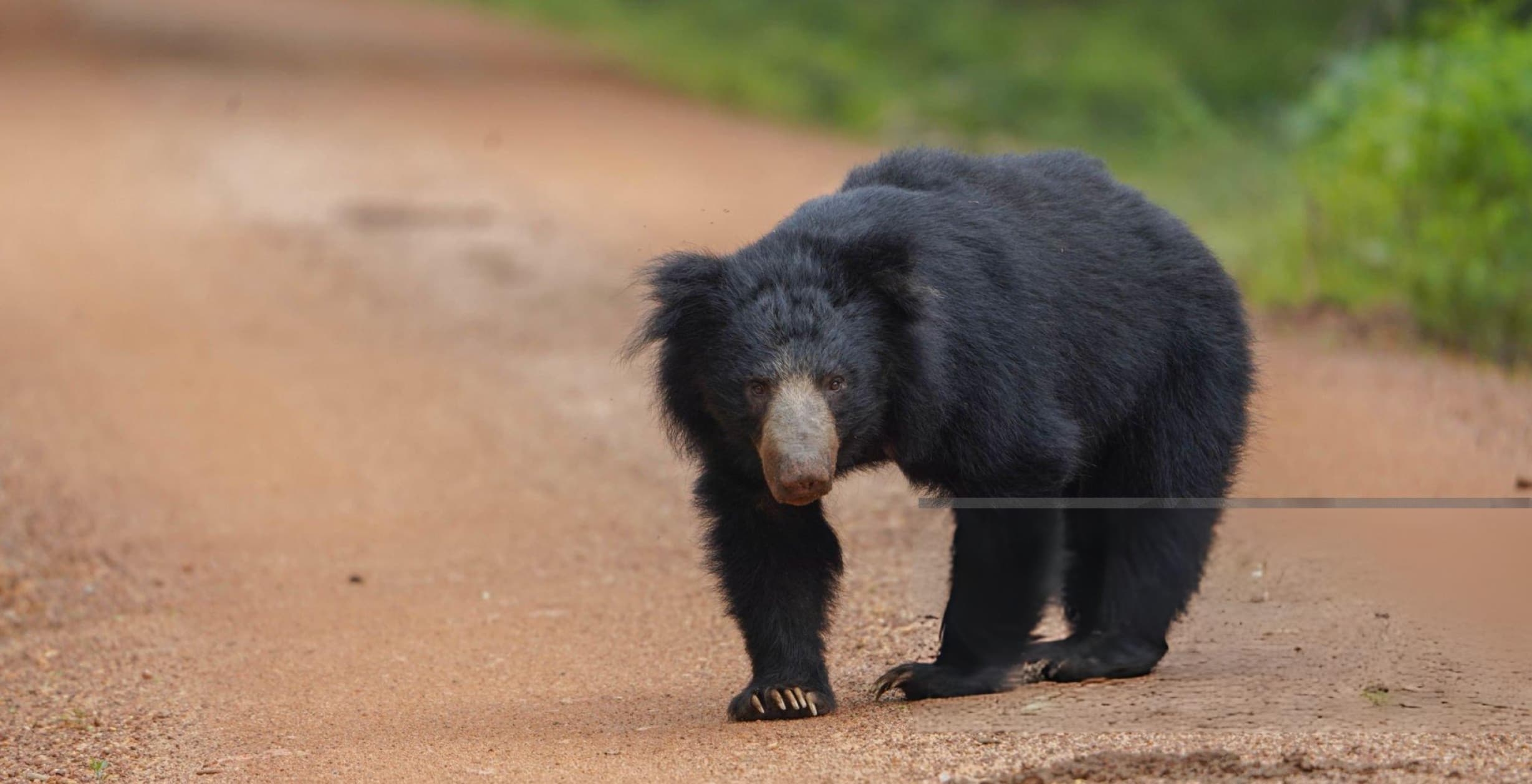
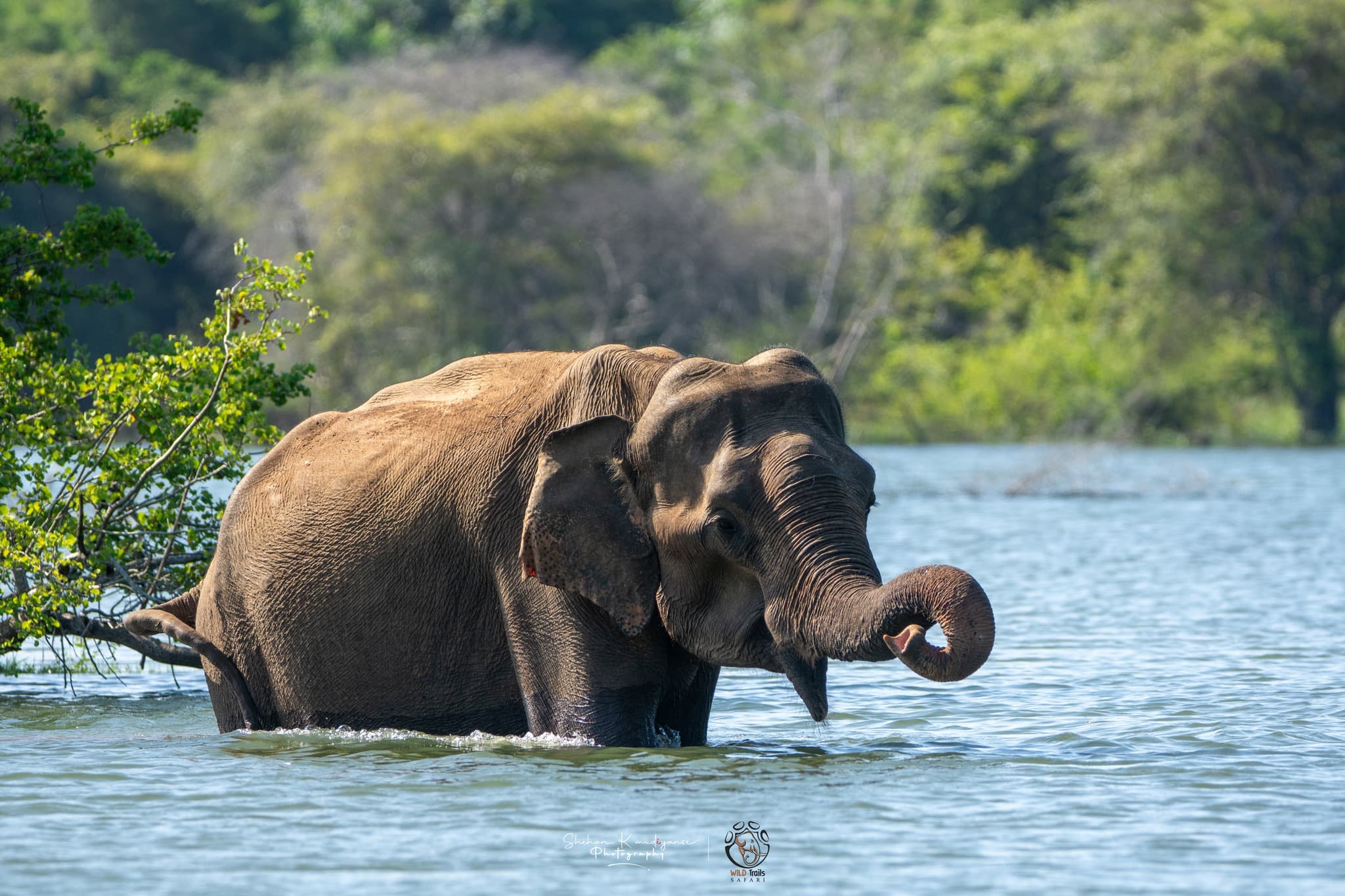
Wilpattu's elephant population is considered more relaxed and less habituated to vehicles in some areas, producing what some naturalists describe as more natural elephant behavior observations. The park's sheer size and forest coverage creates a wilderness atmosphere that Yala's busier Block 1 cannot replicate during peak season. Sri Lankan sloth bear encounters are considered by some guides to be more frequent in Wilpattu's forest areas where the animals range more widely without vehicle pressure.
Wilpattu also supports a significant Sri Lankan leopard population that is less studied and less known as individuals compared to Block 1's well-documented cats, which appeals to visitors who find the idea of encountering a genuinely wild, unknown leopard more compelling than seeing a named individual.
Crowd Levels and Atmosphere
This comparison strongly favors Wilpattu during peak season, and it is a genuinely important consideration for certain types of travelers.
Yala Block 1 During Peak Season
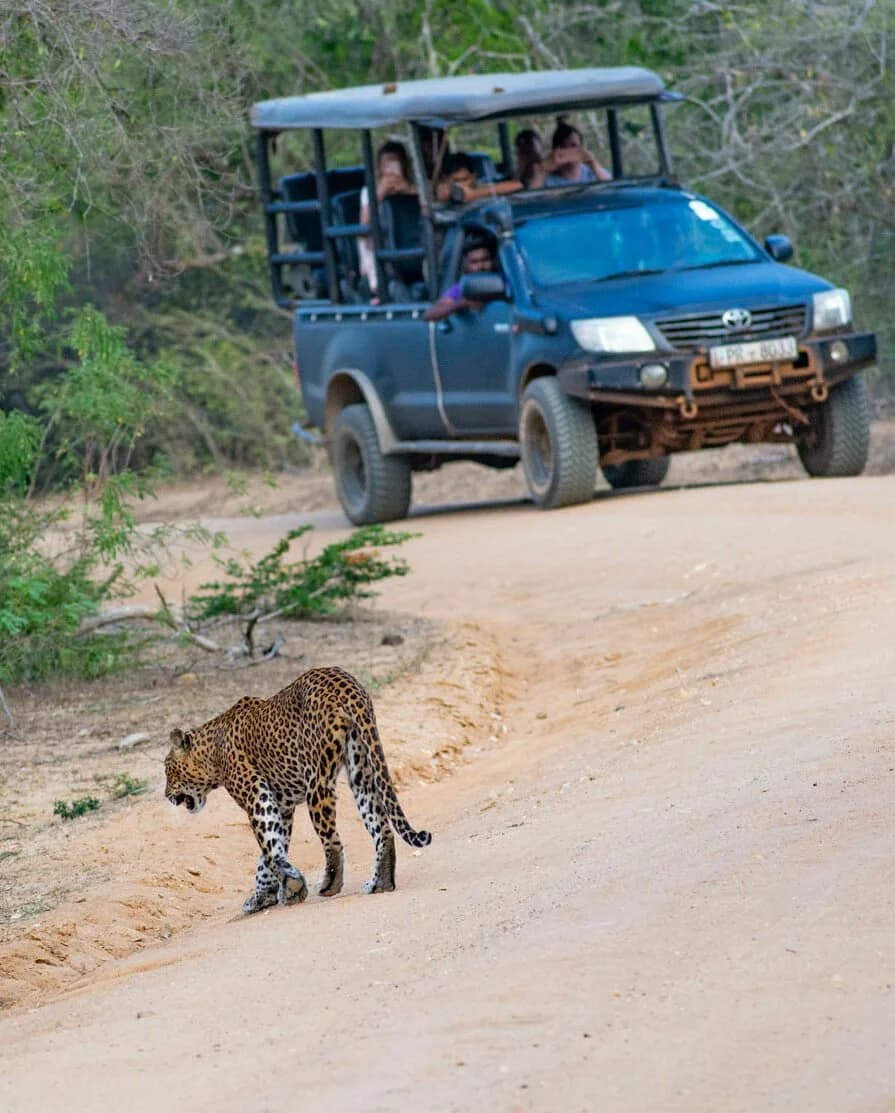
During the February through July dry season, Block 1 is Sri Lanka's most visited national park. On a peak season morning, dozens of jeeps operate simultaneously across the block, and popular leopard sighting locations can attract ten to twenty or more vehicles simultaneously. This congestion is the most common complaint about Yala among experienced safari travelers, and it is a legitimate concern.
The good news is that experienced naturalist guides who work independently of the radio crowd networks, who know individual leopard territories well enough to anticipate movements, and who choose less-visited sections of Block 1 can still produce intimate, relatively uncrowded encounters. And Block 5/6 offers dramatically lower vehicle density year-round. But the honest truth is that peak season Block 1 is busy, and travelers who strongly prioritize solitude in wilderness will find this challenging.
Wilpattu's Crowd Levels
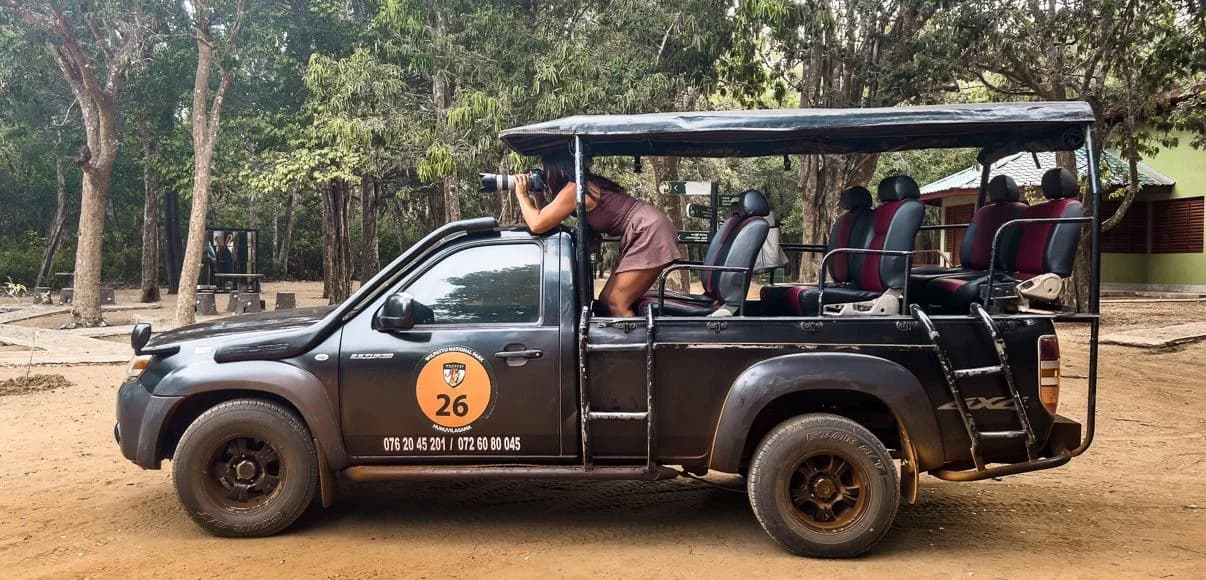
Wilpattu has significantly lower visitor numbers than Yala. Even during the peak season, the total number of vehicles operating inside Wilpattu on any given day is a fraction of Block 1's traffic. The park's much larger area further dilutes any sense of crowding. Multiple safari drives through Wilpattu without encountering another vehicle are genuinely common, creating a wilderness atmosphere that peak season Yala Block 1 cannot match.
For travelers who place high value on solitude and the feeling of undisturbed nature, Wilpattu's lower visitor numbers are a significant attraction.
Accessibility and Location
The two parks are located at opposite ends of Sri Lanka, which has significant practical implications for itinerary planning.
Yala's Location
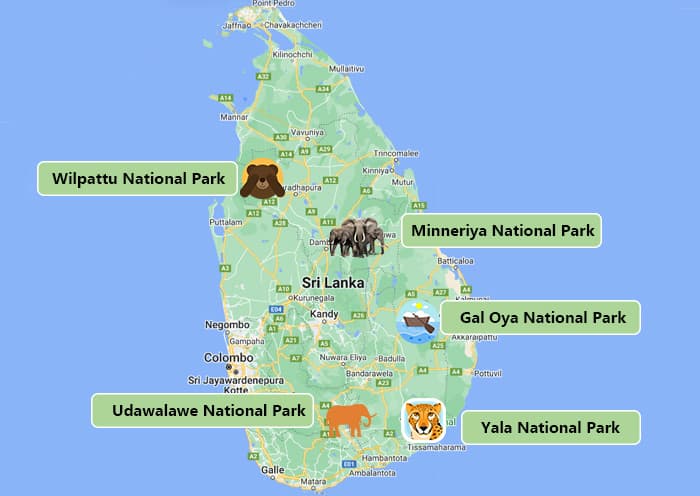
Yala is in the Southern Province, approximately 300 kilometers from Colombo and within easy reach of the south coast beach destinations. Travelers combining wildlife and beach time on a typical Sri Lanka itinerary find Yala conveniently positioned at the end of a southern circuit that might include Galle, Mirissa, or Tangalle. The journey from Colombo to Tissamaharama takes approximately 5 to 6 hours, entirely manageable as a transit day.
Wilpattu's Location
Wilpattu is in Sri Lanka's Northwest Province, approximately 180 kilometers north of Colombo near the town of Puttalam and Anuradhapura. This positioning makes it an extremely convenient addition to a Cultural Triangle itinerary that includes Anuradhapura, Sigiriya, and Polonnaruwa, but requires significant additional travel for visitors based on the south coast.
Travelers doing a comprehensive Sri Lanka circuit that includes both the Cultural Triangle and the south coast can incorporate both parks without excessive backtracking. But travelers with limited time who must choose one park, the location relative to their broader itinerary is often the deciding factor regardless of wildlife preferences.
Best Season for Each Park
The optimal visiting seasons for Yala and Wilpattu partially overlap and partially differ, which creates planning opportunities for travelers trying to visit during the best conditions for each.
Yala's Best Season
February through July represents Yala's dry season peak with maximum leopard visibility, concentrated wildlife around water sources, and reliable sunny weather. April and May are considered the absolute best months for leopard encounters in Block 1.
Wilpattu's Best Season
Wilpattu's best season is broadly similar — the dry months from February through September when the forest vegetation is less dense and animals concentrate around the park's villu lakes. However, Wilpattu's dry season extends slightly later into the year than Yala's, and August and September can be productive at Wilpattu while Yala's wet season is beginning to reduce visibility.
The northeast monsoon from November through January brings heavy rain to Wilpattu's northwestern location, making some tracks impassable and significantly reducing wildlife activity. This same period is actually reasonable for Yala, where migratory birds at Palatupana Lagoon create a different kind of spectacle. The complementary seasonal patterns mean that travelers visiting Sri Lanka in November through January are better served by Yala, while those visiting in August and September might find Wilpattu's extended dry season an advantage.
Guide Quality and Safari Standards
Both parks have experienced local guides, but the concentration of specialized knowledge at Yala is exceptional.
Yala's Block 1 has been intensively studied and guided for decades, and the best naturalist guides have accumulated individual-level knowledge of specific leopards, their territories, behaviors, and histories that is simply not replicated at any other park in Sri Lanka. This depth of guide knowledge is a significant practical advantage for maximizing encounter quality and understanding what you are seeing.
Wilpattu's guides know their park thoroughly and produce excellent safaris, but the combination of lower leopard encounter frequency and less well-documented individual animals means the guide narration and leopard-specific expertise tends to be less detailed than at Yala.
Direct Comparison Summary
Leopard encounter probability: Yala wins significantly, particularly in dry season Block 1.
Wilderness atmosphere and solitude: Wilpattu wins, particularly compared to peak season Block 1. Yala Block 5/6 offers a middle ground.
Terrain and visibility: Yala wins for open terrain and clear sightlines. Wilpattu wins for forest immersion.
Bird diversity spectacle: Yala wins with Palatupana Lagoon during migratory season.
Elephant encounters: Broadly comparable with slight edge to Wilpattu for undisturbed herd behavior.
Accessibility from south coast: Yala wins clearly.
Accessibility from Cultural Triangle: Wilpattu wins clearly.
Best season overlap: Both peak February through July. Yala extends better into November through January.
Guide expertise for leopards: Yala wins based on depth of individual animal knowledge in Block 1.
Which Park Should You Choose?
Choose Yala if:
Seeing a leopard is your primary objective and you want the highest possible probability of a successful encounter. You are visiting during February through July when Yala's dry season conditions are at their best. Your itinerary is based around the south coast and Yala fits naturally into your route. You want Palatupana Lagoon's extraordinary birdwatching experience. You are a first-time Sri Lanka safari visitor who wants assured wildlife encounters rather than uncertain searching.
Choose Wilpattu if:
Wilderness solitude matters more to you than maximum leopard encounter frequency. You are building an itinerary around the Cultural Triangle in the north and Wilpattu fits naturally into your route. You have already visited Yala and want a genuinely different Sri Lankan wildlife experience. You are visiting during August or September when Wilpattu's extended dry season gives it a seasonal advantage.
Visit Both if:
You have the time to incorporate both parks into a comprehensive Sri Lanka itinerary. The two parks complement each other beautifully — Yala delivers high-frequency wildlife encounters in a dynamic open landscape, while Wilpattu provides wilderness immersion in an undisturbed forest environment. Experiencing both in a single Sri Lanka trip gives you the full spectrum of what the island's wildlife heritage offers.
Our Honest Recommendation
For the majority of travelers visiting Sri Lanka with wildlife as a priority, Yala is the right choice. The leopard encounter probability, the diversity of species and habitats in Block 1, the Palatupana Lagoon birdwatching, and the quality of naturalist guide expertise available at Yala combine to create a safari experience that is genuinely difficult to match anywhere in Asia.
Wilpattu is an excellent park that deserves more recognition than it currently receives in the international safari conversation. But the honest comparison for a traveler who must choose one park is that Yala delivers more of what most safari travelers are looking for, more reliably, with a higher probability of the dramatic close wildlife encounters that create lasting memories.
The one significant caveat is peak season Block 1 crowding. Travelers who are particularly sensitive to vehicle congestion at sighting points should know that Block 5/6 offers a genuinely uncrowded Yala experience with much of the wildlife diversity of Block 1, and represents an excellent middle ground between Block 1's high-frequency encounters and Wilpattu's complete solitude.
Book Your Yala Safari With Our Expert Guides
At Yala Jeep Safaris, our naturalist guides know Block 1 and Block 5/6 at a level of detail that comes from years of daily work inside the park. We know the individual leopards, the seasonal animal movement patterns, the locations that produce the best encounters at each time of year, and how to position a vehicle for the most intimate and least disturbed wildlife observations possible.
If you are trying to decide between Yala and Wilpattu, or if you have already decided on Yala and want to ensure your safari delivers the best possible experience, reach out to us directly. We give honest advice based on your travel dates, interests, and what the park is currently offering.
Contact us on WhatsApp at +94 70 557 6915 or visit yalajeepsafaris.com to book your private Yala safari or ask any questions about planning your Sri Lanka wildlife experience.