Family Safari at Yala National Park: Everything Parents Need to Know
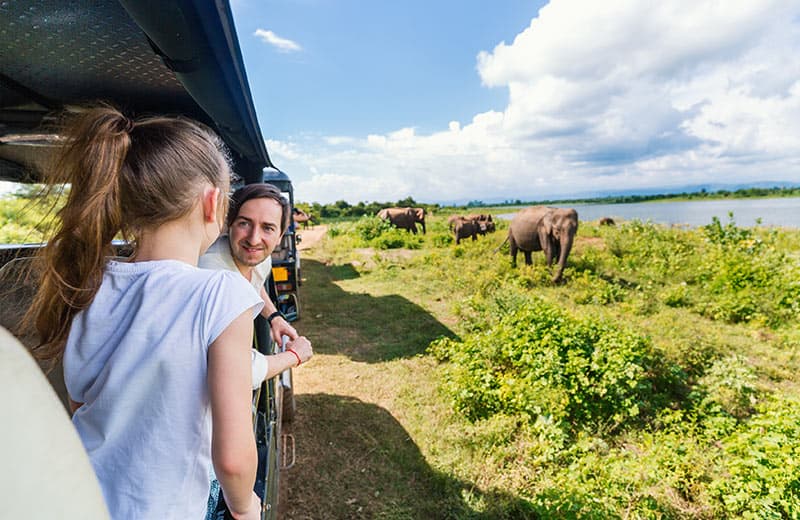
A family safari at Yala National Park is one of the most transformative travel experiences you can give your children. Watching a wild leopard rest on a sunlit rock twenty meters from your jeep, or sitting in silence as an elephant herd crosses the track directly in front of you, creates memories that children describe with the same vivid detail years and decades afterward. Parents consistently tell us that their children's Yala safari was the moment that ignited a lifelong connection to wildlife and the natural world. This guide covers everything families need to know to plan a safe, enjoyable, and genuinely unforgettable Yala safari experience.
Is Yala National Park Suitable for Families?
Yes, and in many ways Yala is better suited to family safaris than other wildlife destinations around the world. Here is why.
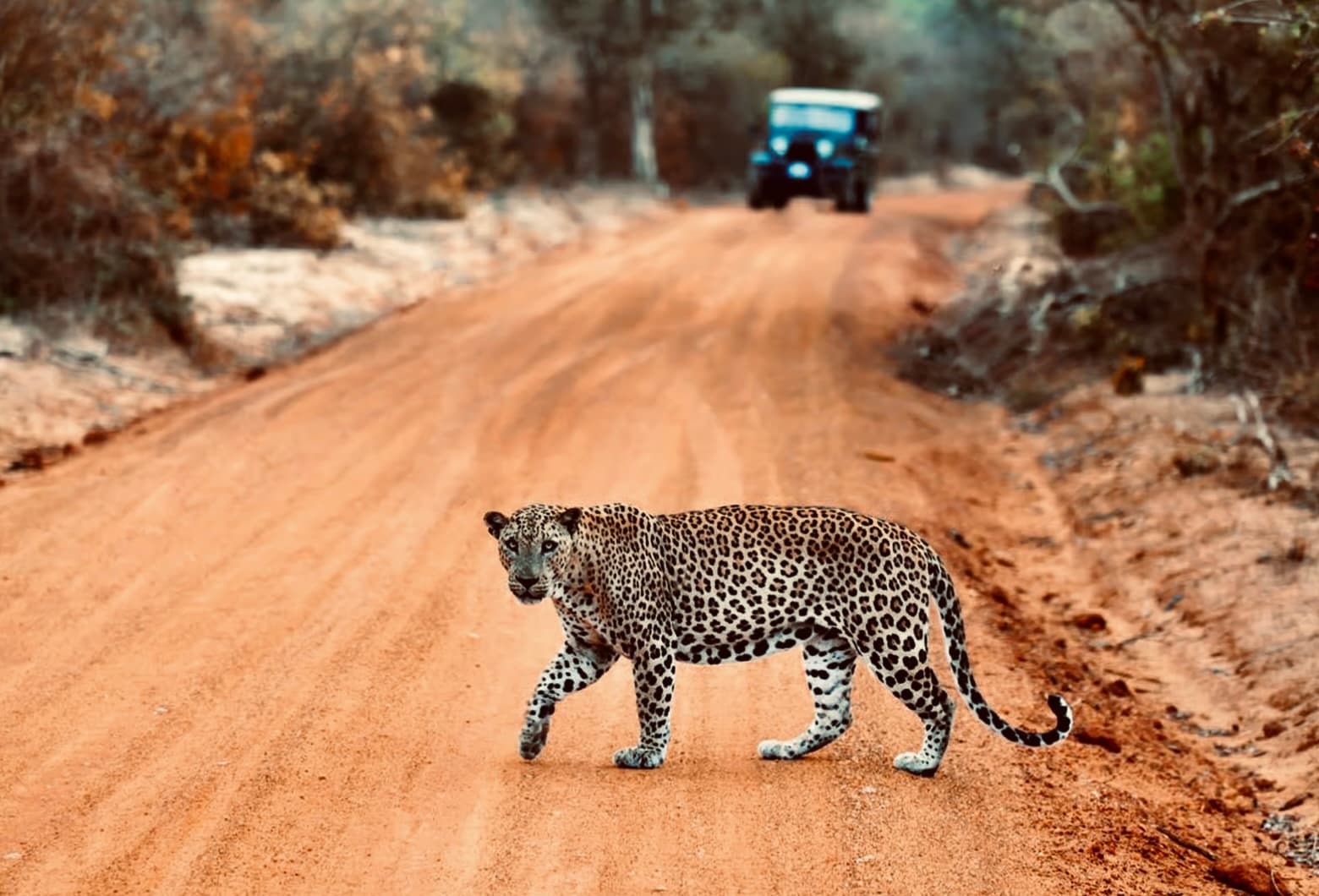
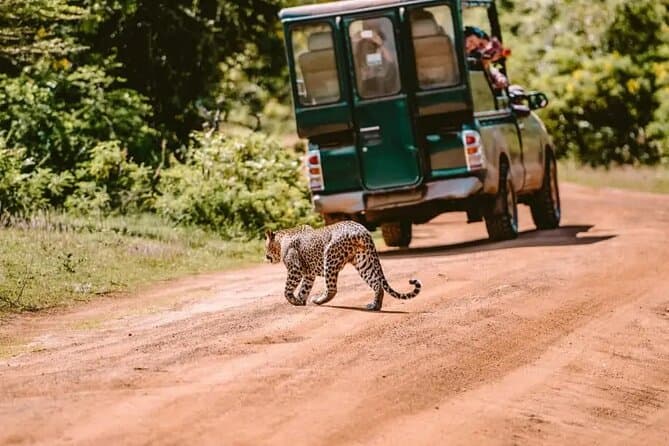
The habituated leopards of Block 1 are the defining advantage for families. Unlike safari destinations where sightings require lengthy searching across vast distances, Yala's leopards are present in relatively high density and allow close vehicle approaches without fleeing. Children do not need the patience to spend hours driving without seeing anything — encounters happen, they are close, and they are extended enough for young children to genuinely observe and absorb what they are seeing.
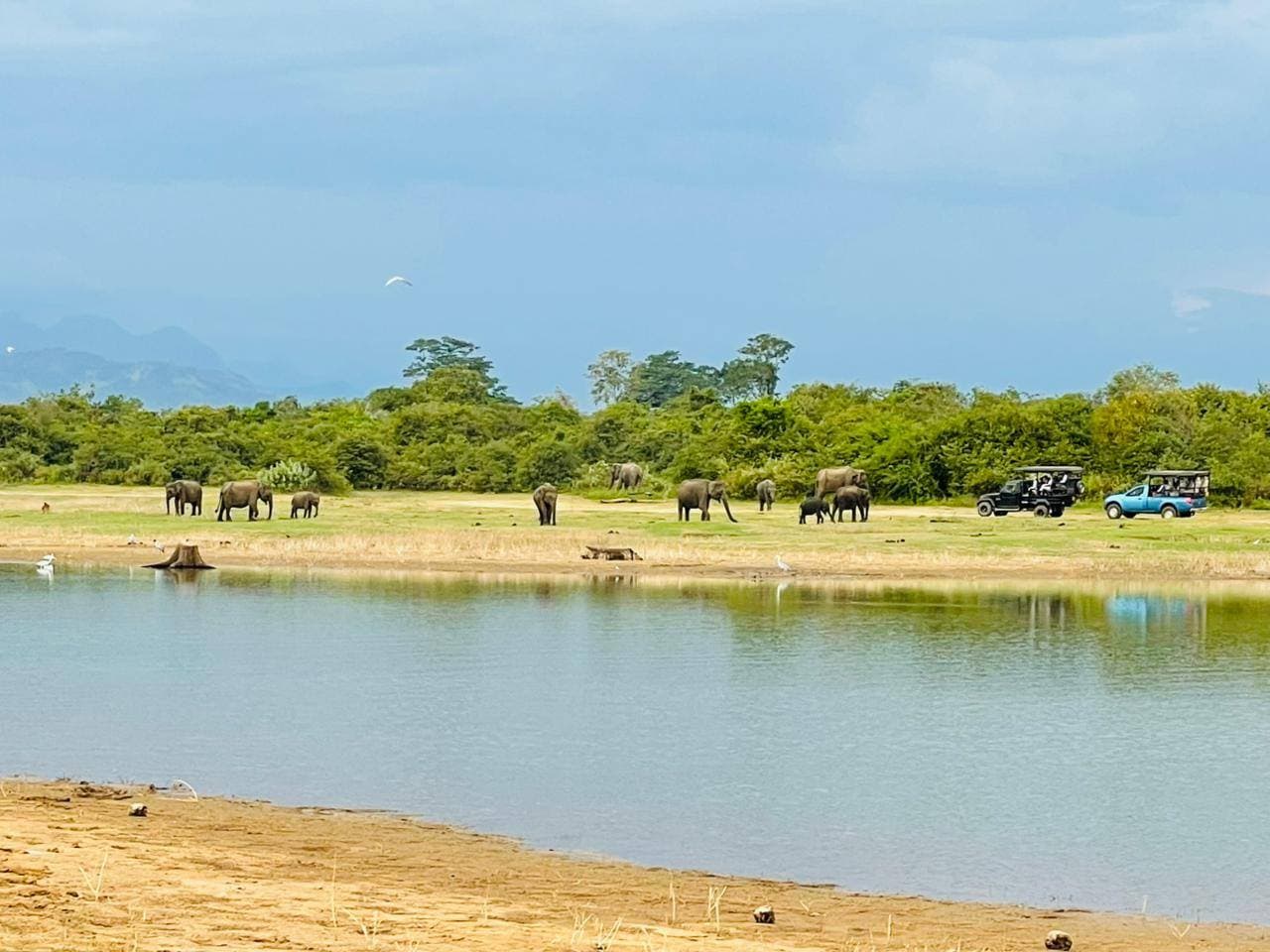
The open terrain of Block 1 during the dry season means that when animals are present they are visible from considerable distances. Children can see animals approaching long before the jeep reaches them, building anticipation rather than experiencing sudden surprises. This open visibility is significantly more child-friendly than densely forested wildlife areas where animals appear and disappear in seconds.
The diversity of species that Yala delivers in a single morning drive — leopards, elephants, crocodiles, buffalo, deer, birds, monitor lizards — keeps children continuously engaged rather than waiting for a single headline species. Even when a leopard has not yet been found, there is almost always something interesting moving somewhere in Block 1.
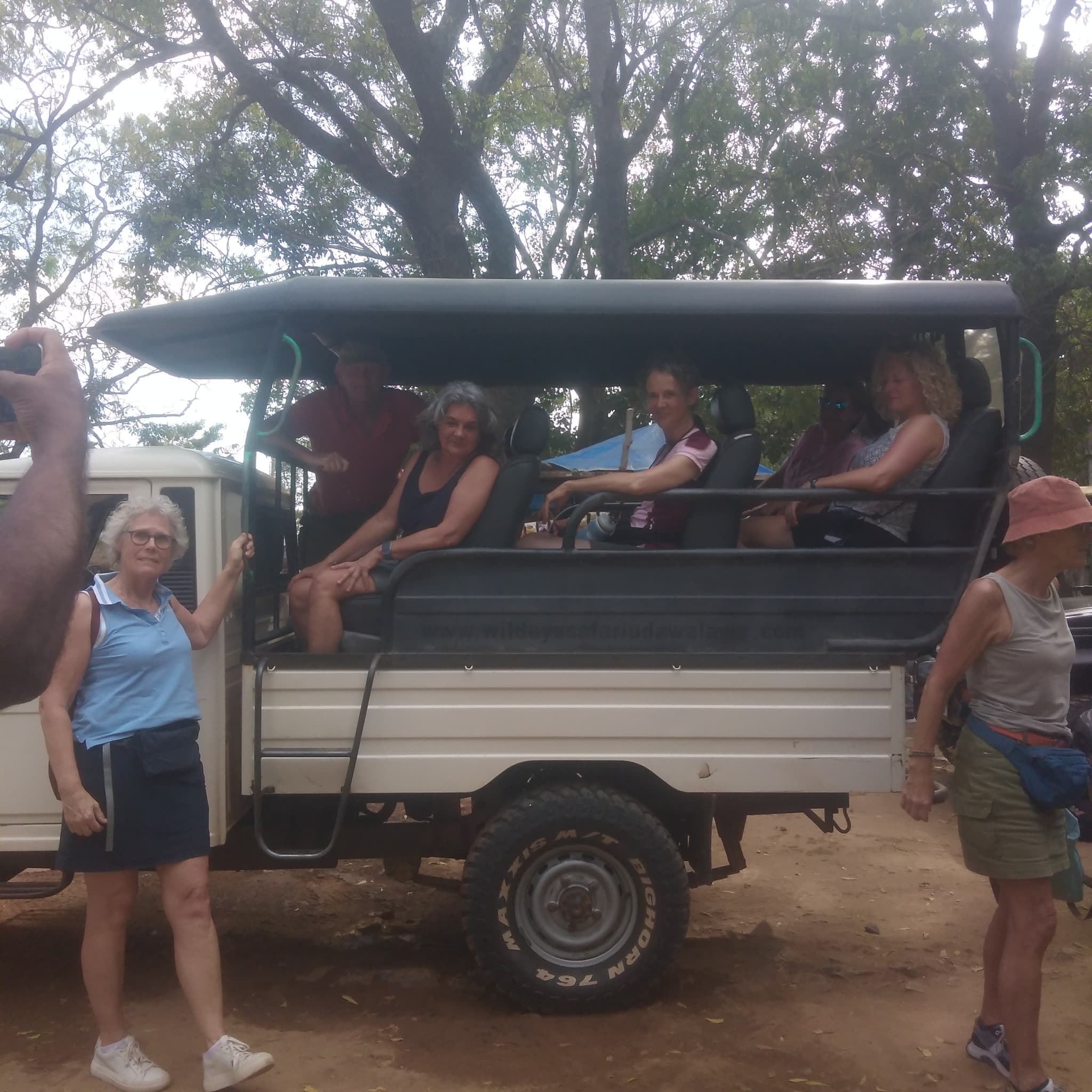
The private jeep format that our safaris operate on is fundamentally better for families than shared group safaris. You can stop as long as your children want at any sighting, move at a pace that suits your family's energy and attention span, ask questions freely without disturbing others, and create a completely personalized experience.
What Age is Best for a First Yala Safari?
This is the question parents ask us most frequently, and the honest answer is that it depends more on the individual child than on a specific age threshold.
Children who are genuinely comfortable sitting relatively quietly for extended periods, who can follow simple safety instructions consistently, and who have some interest in animals are ready for a Yala safari regardless of exact age. We have had children as young as four or five have extraordinary experiences when they were curious, engaged, and able to manage their excitement without creating disturbances that would push wildlife away.
As a general guideline, children from around six years old tend to have the attention span and physical stamina for a half day safari comfortably. They are old enough to understand instructions, old enough to remember and process what they have seen, and usually old enough to feel genuine excitement and curiosity rather than simply restlessness.
Younger children from three to five can have wonderful experiences on shorter safaris of two to three hours, particularly if parents have prepared them with animal books, documentaries, or conversations about what they will see. The key variable is not age but temperament — a calm, curious four year old will have a better experience than an easily bored, restless seven year old.
Teenagers are often among the most engaged Yala safari participants. The authenticity of wild animal encounters in their natural habitat, without zoo fences or performance schedules, resonates strongly with teenagers in a way that more passive entertainment does not. Many teenage visitors develop serious interests in conservation, wildlife photography, or natural history directly following a Yala experience.
Safety for Children on a Yala Safari
Yala National Park is genuinely safe for children when basic guidelines are followed, and our naturalist guides manage safety as a fundamental part of every safari. Understanding the relevant safety considerations helps parents relax and enjoy the experience rather than spending it anxious.
Vehicle Safety
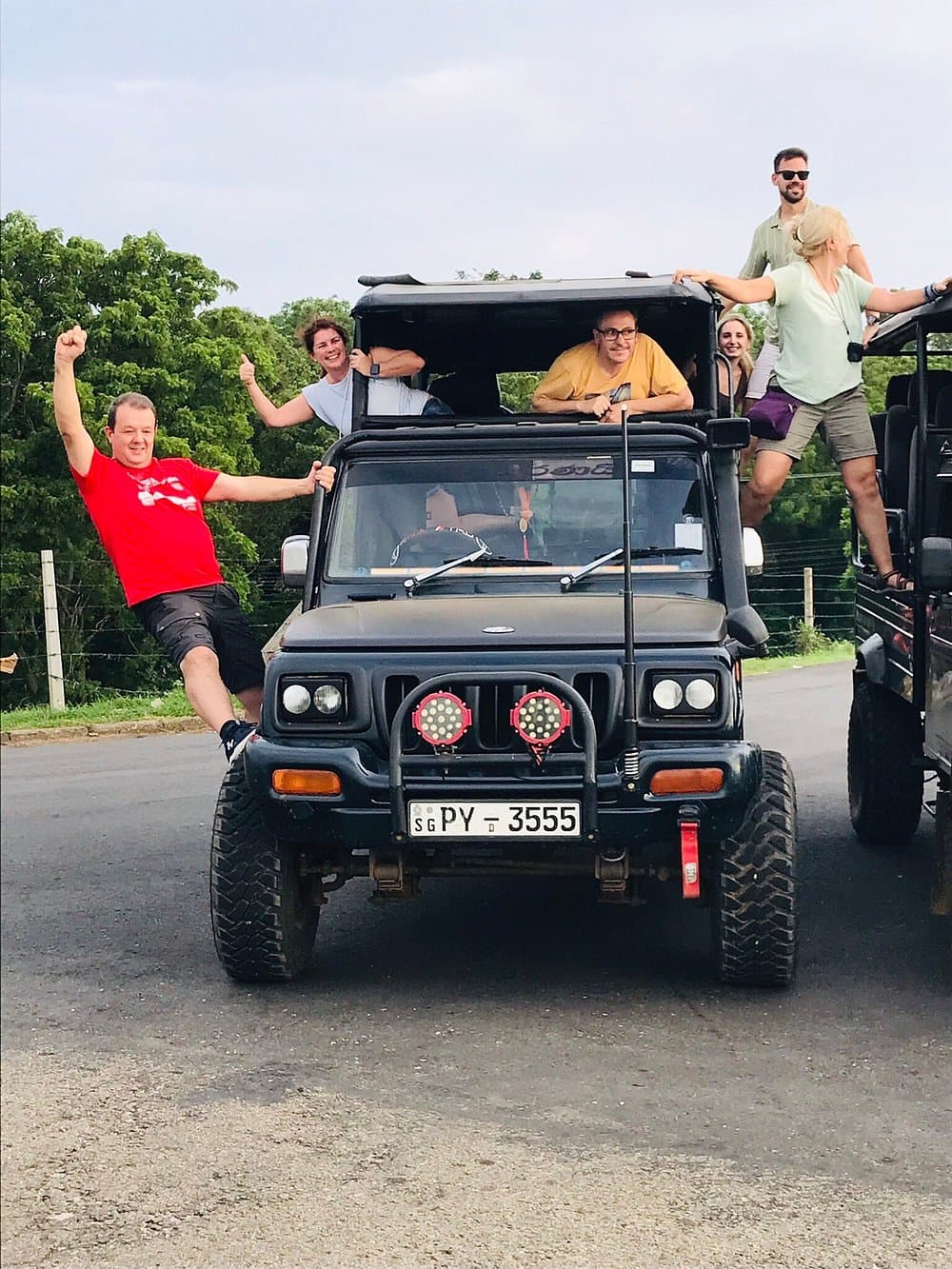
Children must remain seated inside the vehicle throughout the safari. Standing up, leaning over the sides, or attempting to exit the vehicle at any point inside the park is not permitted. Our guides enforce this strictly and explain the reasons clearly to children at the start of every safari.
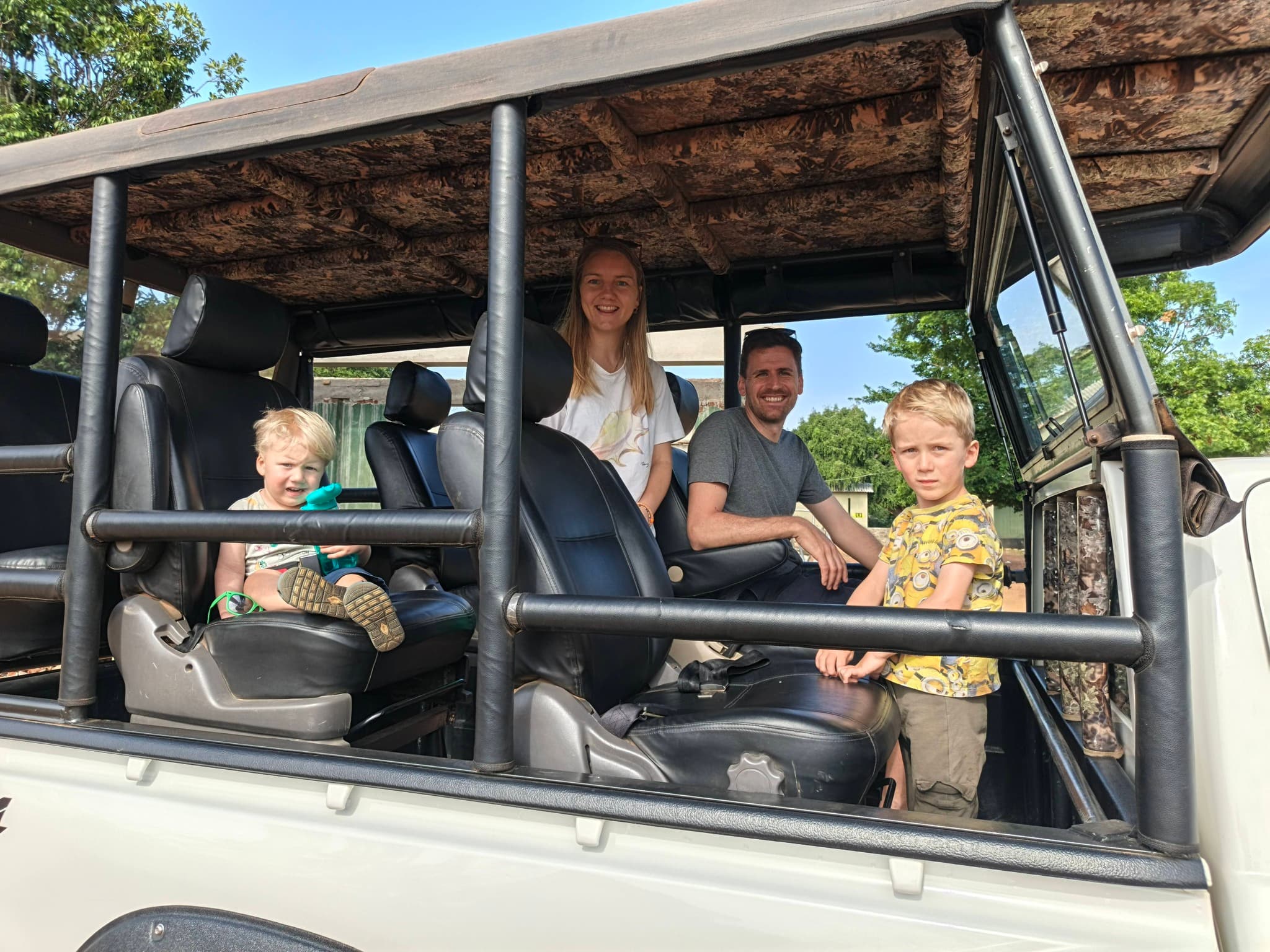
Most of our safari jeeps have open sides without doors, which is ideal for photography and visibility but requires children to understand that hanging out of the vehicle is not safe. A simple conversation before departure, explaining that the animals are wild and the jeep is a safe space that protects everyone, is usually sufficient for children old enough to understand.
Distance from Animals
Our guides always maintain distances from wildlife that allow observation without provoking defensive responses. Leopards in Block 1 are habituated to vehicles at established distances — approaching significantly closer would change their behavior and potentially create unsafe situations. Elephants, particularly bulls in musth or females with very young calves, are given significantly more space. A guide who knows elephant behavior will position the jeep and manage any approach before children are even aware of a potential concern.
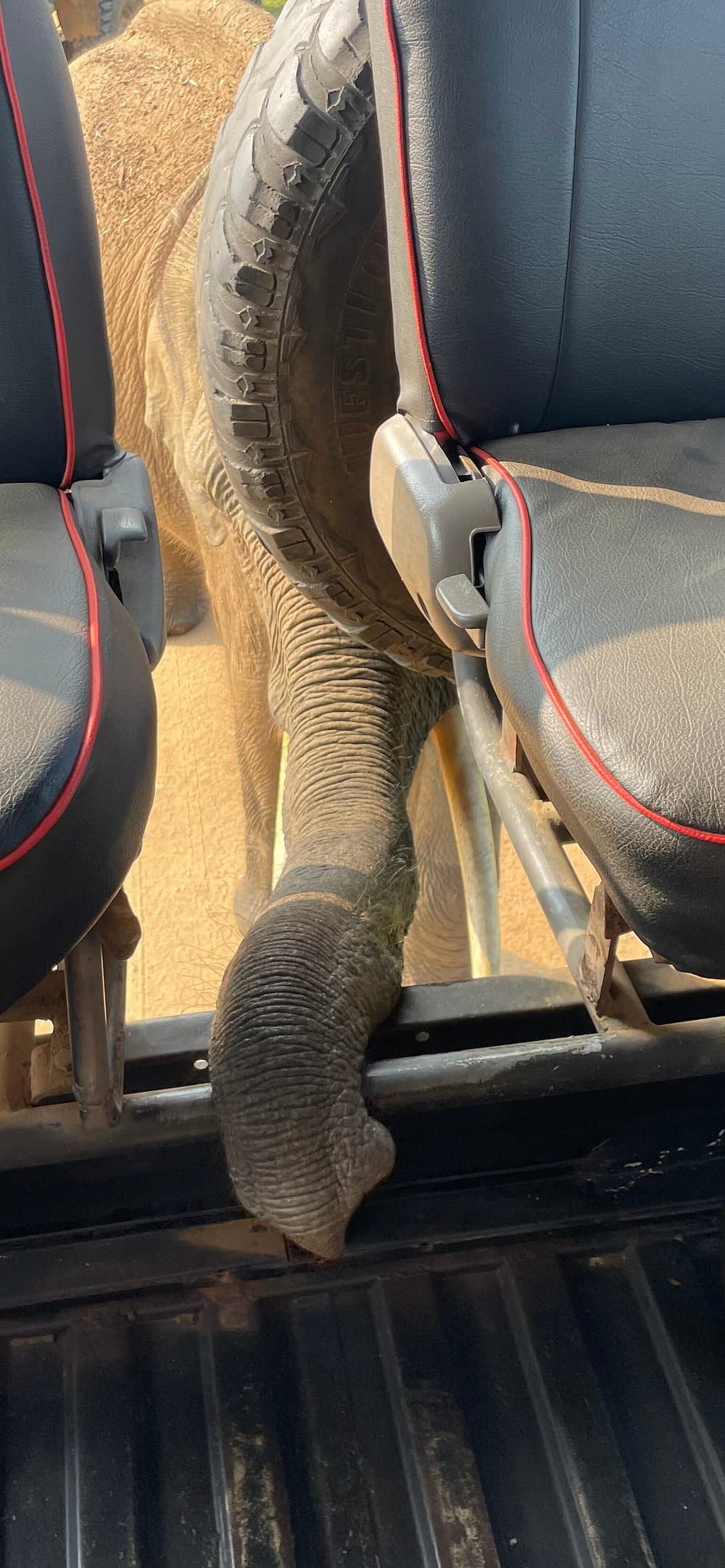
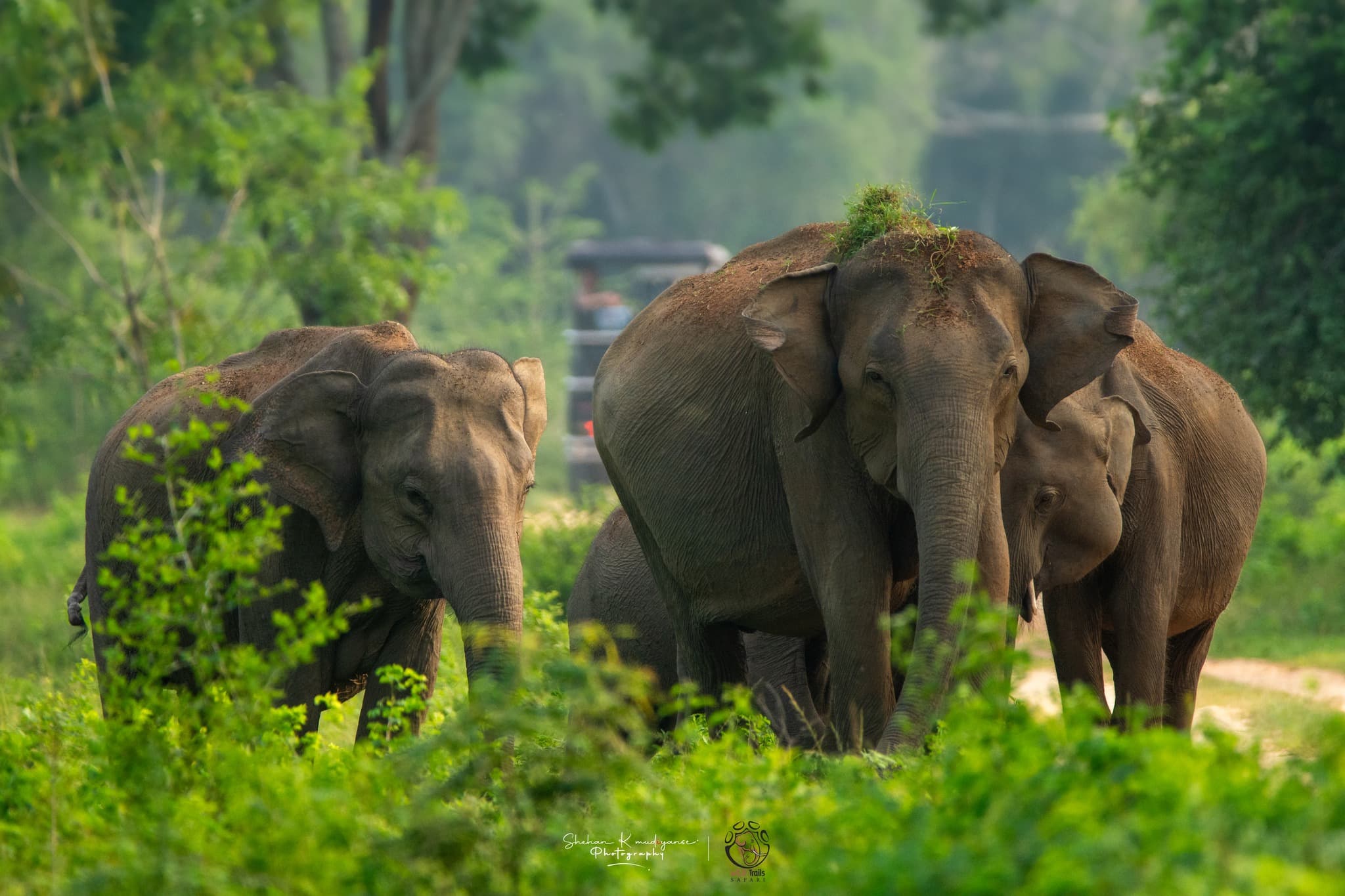
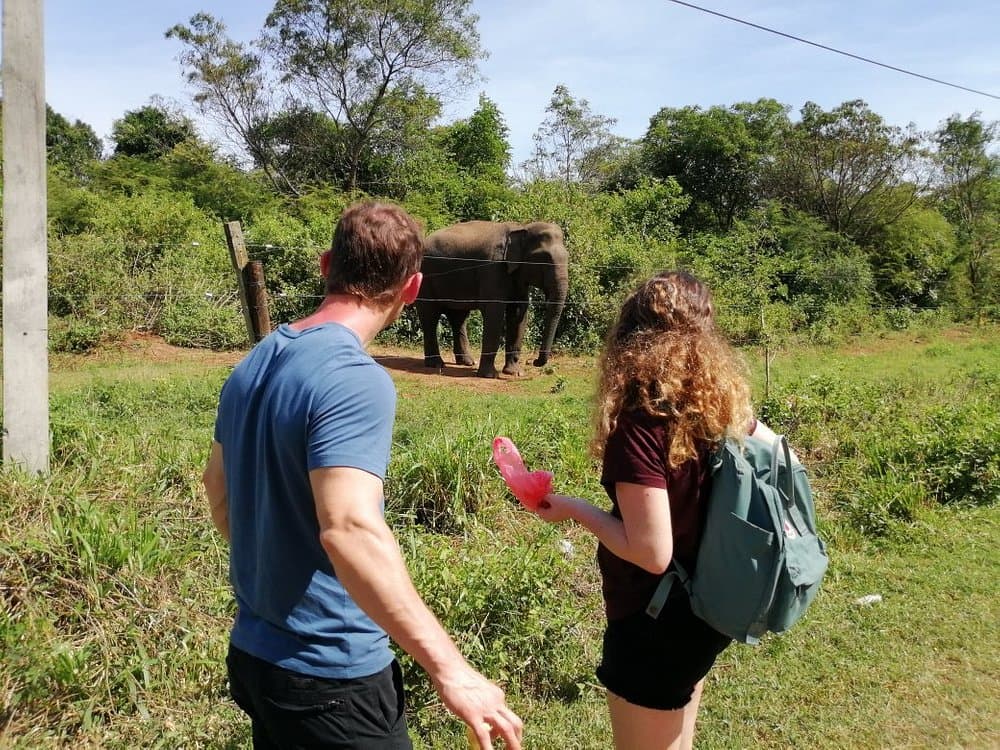
The animals that deserve the most respect in terms of vehicle distance are wild elephants. A cow elephant with a very young calf is potentially dangerous if she feels her calf is threatened. Our guides read elephant body language continuously and will reposition or withdraw from any situation before it develops into a problem.
Sun and Heat Protection for Children
The Sri Lankan sun is significantly more intense than most families experience at home, and children's skin burns much faster than adults. Sun protection is not optional on a Yala safari — it is a genuine health priority.
Apply broad-spectrum sunscreen with SPF 50 or higher to all exposed skin at least thirty minutes before departure and reapply every two hours regardless of cloud cover. Wide-brimmed hats are essential for children spending hours in an open vehicle. UV-protective long-sleeved lightweight shirts protect arms from prolonged sun exposure without overheating.
During the hottest dry season months of March through May, the midday sun is genuinely punishing. Morning safaris that enter at 6:00 AM and return by mid-morning significantly reduce heat exposure compared to full day drives. Half day morning safaris are often more appropriate for younger children during these months than full day options.
Hydration
Children dehydrate faster than adults and may not notice thirst symptoms until they are already significantly dehydrated. Bring more water than you think you will need — at least one liter per child for a morning safari, more during hot months. Electrolyte sachets are worth bringing for longer drives or very hot days.
Encourage children to drink regularly throughout the safari rather than waiting until they feel thirsty. A child who is well-hydrated is a comfortable, engaged safari participant. A dehydrated child is an uncomfortable, irritable one regardless of what animals are present.
What to Pack for a Family Safari at Yala
Clothing
Neutral colors — khaki, green, grey, brown — are recommended for all family members. Bright colors and white can unsettle some animals and make you more visible to wildlife that might otherwise ignore the vehicle. More importantly, children in neutral safari clothing feel like proper safari participants rather than tourists, which contributes positively to their engagement and sense of adventure.
Lightweight long trousers rather than shorts provide sun protection, reduce insect exposure during early morning drives, and prevent the metal jeep surfaces from becoming uncomfortable against bare legs when the sun heats the vehicle.
Closed shoes rather than sandals are preferable for comfort during long drives and are required if there is any walking involved around the park margins.
For Younger Children
Bring a familiar comfort item for very young children — a small toy or familiar blanket makes the early morning departure and quiet waiting periods significantly more manageable. A light jacket or layer for the pre-dawn vehicle ride to the gate, which can feel cool even during dry season months.
Snacks that children enjoy and that can be eaten quietly without wrappers that crinkle loudly at critical moments. Banana chips, dried fruit, and small sandwiches work well. Avoid strongly scented foods that attract insects.
Binoculars appropriately sized for children are a genuinely valuable addition. Children who have their own binoculars to scan with are significantly more engaged during drives between sightings. Several toy binocular brands actually produce reasonable quality small optics at very affordable prices that are perfectly suited for this purpose.
For Older Children and Teenagers
A notebook and pen for wildlife recording — keeping a list of every species seen during the safari creates a structured engagement with the experience and gives teenagers something purposeful to do during quieter moments. Many of our teenage guests bring field guides to Sri Lankan wildlife and cross-reference sightings in real time.
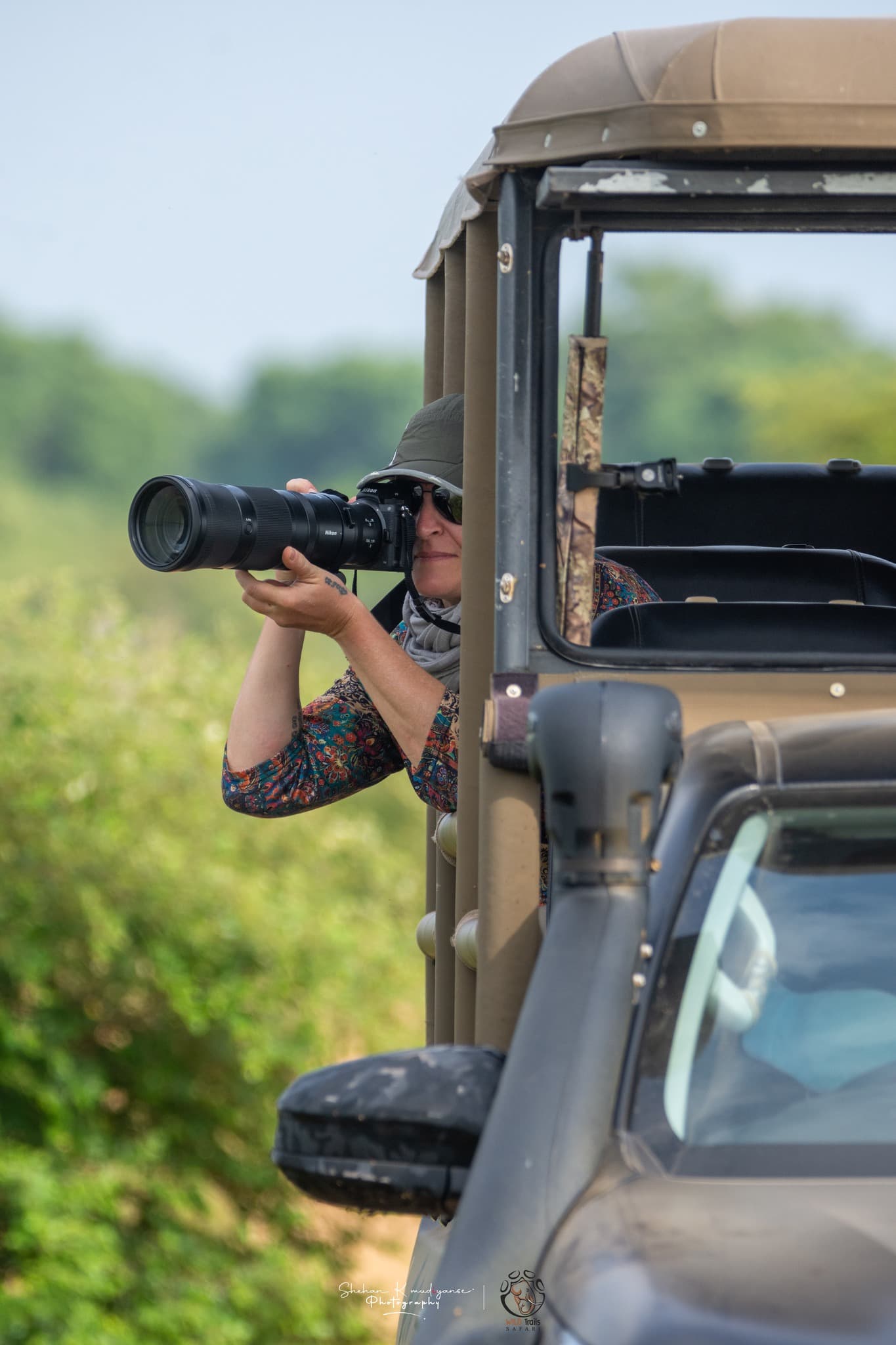
A camera or smartphone with a good camera for photography. Even basic phone cameras produce excellent results for large, close subjects like Yala's habituated leopards and elephants. Having ownership of their own photographic record gives teenagers a compelling reason to stay alert throughout the drive.
How to Keep Children Engaged During the Safari
The most common family safari challenge is managing children's attention and energy during the quieter periods between dramatic sightings. Here are the techniques our guides use most successfully.
Before the Safari: Building Anticipation
The engagement that children bring to a Yala safari is largely built in the days before it happens. Watching wildlife documentaries that feature Sri Lankan leopards, reading children's books about safari animals, looking at photographs from Yala online together, and talking through what you might see builds the curiosity and mental preparation that makes even younger children remarkably patient once they are inside the park and genuinely looking for animals.
Ask your children what they most want to see and make that their personal mission for the drive. A child who has decided that their goal is to see a sloth bear becomes an active participant in the safari rather than a passive passenger.
During the Safari: Engagement Techniques
Our naturalist guides who work with families consistently use several techniques to maintain children's engagement throughout the drive.
Wildlife spotting challenges — asking children to be the first to spot a deer, a bird, or a monitor lizard gives them an active role in the safari rather than waiting passively. Children who are actively scanning the landscape stay engaged far longer than those being transported between sighting points.
Story and explanation — a good naturalist guide explains what they are seeing in terms children find compelling. Understanding that the leopard you are watching is the same one the guide saw hunting last Tuesday, that she has two cubs hidden in the rocks behind her, and that she is watching a herd of spotted deer 200 meters away calculating whether to hunt transforms a beautiful but passive sighting into an unfolding drama. Children who understand what they are watching are riveted.
Track and sign reading — showing children fresh pugmarks in the dust, explaining what they tell you about the animal that made them, demonstrating how guides use alarm calls to locate leopards, and identifying animal droppings all create a detective-game dimension to the safari that children find genuinely exciting. You are not just looking at animals — you are reading the landscape for clues.
Animal counting and recording — keeping a running count of species seen, or a tally of how many of each species the family has spotted together, gives children a structured goal and a sense of accumulating achievement throughout the drive.
Managing the Quiet Periods
No safari, regardless of how productive, consists of continuous dramatic sightings. There will be stretches of twenty to thirty minutes driving through scrub seeing nothing particularly notable. How families manage these stretches largely determines whether the overall experience feels wonderful or exhausting.
The most effective approach is preparing children in advance that quiet periods are part of the experience and that patience leads to the best rewards. A guide who has learned to find and anticipate animal movement often produces dramatic encounters that appear to come from nowhere — the payoff for quiet, attentive driving that children who have been prepared for patience find magical.
Choosing the Right Safari for Your Family
Morning Safari for Families
The morning safari entering Block 1 at 6:00 AM is generally the best option for families with children. The cooler temperatures make the physical experience of sitting in an open vehicle more comfortable. The peak wildlife activity window in the first two hours after dawn produces faster and more frequent encounters than the slower midday period. And returning to your accommodation by mid-morning gives children time to rest, process, and recover before an afternoon at leisure.
The early departure time is the primary challenge for families with young children. A 4:45 AM wake-up can be disruptive, particularly for young children who are light sleepers. Preparing children the evening before with genuine excitement about what they will see first thing in the morning makes this departure much easier than explaining it as something unpleasant but necessary.
Half Day Safari for Younger Children
For families with children under six or children with shorter attention spans, a half day morning safari from 6:00 AM to 12:00 PM inside Block 1 gives six focused hours of wildlife activity without the physical demands of a full day drive. Six hours is enough time to encounter all of Yala's major species and have extended observations at the best sightings without pushing children's stamina beyond comfortable limits.
Full Day Safari for Older Families
For families with older children from around ten and above, the full day safari covering both Block 1 in the morning and Block 5/6 in the afternoon provides the most comprehensive Yala experience. The contrast between Block 1's more open, busy atmosphere and Block 5/6's quiet exclusive wilderness keeps the day varied enough to maintain engagement throughout. The midday break between blocks gives children time to eat, rest briefly, and reset before the afternoon drive.
What Children Remember from a Yala Safari
Parents who have brought children to Yala and then spoken to those children months or years later consistently describe the same phenomenon: the safari memories are more vivid, more detailed, and more frequently recalled than almost any other travel experience.
Children remember the exact moment the leopard made eye contact with the jeep. They remember the sound the elephant made crossing the track ten meters away. They remember the guide cutting the engine and everyone falling completely silent as the sloth bear moved through the rocks. They remember the names the guide gave to individual leopards and the stories he told about them.
These memories form because they are genuinely novel — children in a safari environment are receiving sensory information they have no previous experience to compare against. The leopard is not filtered through a screen or a zoo fence. The elephant is not performing. The wilderness is real and unscripted, and children's minds record real and unscripted experiences with extraordinary fidelity.
The conversation that continues for years after a family Yala safari — at school, with friends, in the car, at bedtime — is the return on what is genuinely a significant experience worth planning carefully.
Book Your Family Safari With Our Expert Guides
At Yala Jeep Safaris, our naturalist guides have worked with hundreds of families and understand exactly how to calibrate a safari experience for children of different ages. We know when to talk and explain, when to be silent, how to involve children actively in spotting and tracking, and how to maintain excitement and engagement throughout the drive. We are patient, child-friendly, and genuinely passionate about creating experiences that children remember forever.
Every family safari we operate is completely private. Your family has the entire jeep, the guide's full attention, and the freedom to set your own pace. We will recommend the right safari length and block combination for your children's ages and your family's goals.
To book your family Yala safari or ask any questions about bringing children to Yala, contact us directly on WhatsApp at +94 70 557 6915 or visit yalajeepsafaris.com. We are happy to discuss your family's specific needs and help design the safari experience that your children will still be talking about when they are grown up.